TL;DR
Apartment Therapy asked interior designers about common mistakes people make when aiming for a timeless home. Their advice is to avoid treating neutrals, generic decor or borrowed architectural details as rules, and instead make choices that reflect both the residents and the home.
Apartment Therapy has published designers’ advice for making a home feel more personal when an effort to keep its decor timeless has left it dull. The designers caution against relying on all-neutral palettes, removing personal objects or imposing a style that conflicts with a home’s existing character.

Get furniture and decor delivered free with Prime
- Fast, free delivery on millions of items
- Prime Video, Amazon Music and more included
- Member-only deals all year
The article, written by lifestyle editor Kelsey Mulvey, draws on comments from interior designers Sydelle Reed, Liz Potarazu, Dijana Savic-Jambert and Grace Rosenstein. Their shared point is that timelessness is not a fixed formula: a room can feel safe and generic if its design avoids every personal or distinctive choice.
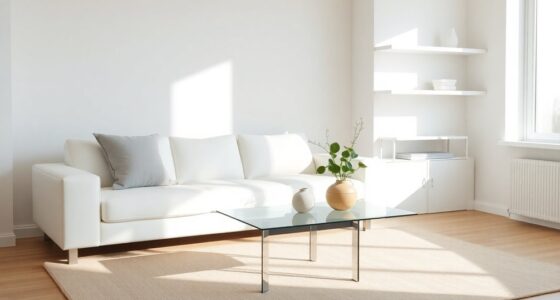
One concern is the assumption that beige and cream automatically age well. Potarazu says a room built from similar neutral shades can feel tied to a particular moment, while Savic-Jambert says muted colors do not guarantee that design choices will last. The designers do not call for bold color everywhere; they suggest adding a stronger color to a neutral scheme if it suits the people who live there.
The designers also argue for keeping meaningful possessions and individual choices, including collected objects, inherited furniture and pieces that do not match perfectly. For architectural details, they recommend starting with the home’s existing features rather than copying a traditional look wholesale. Reed says details such as wall molding are choices, not a guarantee of lasting style.
A Timeless Home Can Still Feel Dull Refresh it with personality
Designers interviewed by Apartment Therapy say timelessness is not a fixed formula. A home feels more personal when its design reflects both its residents and its existing character.
Why timeless can feel dull
Playing too safe can leave a room looking generic and disconnected from the people who live there.
- One uniform neutral palette
- Personal belongings removed
- Architectural details copied wholesale
- A color chosen for the household
- Collected and inherited objects kept
- Existing features allowed to guide choices
Three ways to add character
Small, considered choices can make a room feel less generic without a complete makeover.
Look beyond beige
A stronger color can enliven a neutral scheme when it suits the residents.
Keep what matters
Collected objects and inherited furniture can bring personal history, even if pieces do not match perfectly.
Start with the home
Use existing features as a guide instead of imposing a complete traditional style.
A simple refresh
Try the designers’ advice selectively before buying new pieces.
Identify the home’s features worth highlighting.
Consider a color or rearrange belongings that have meaning.
Make outside influences work with the space and the people living in it.
Personal Choices Give Rooms Character
The advice matters to homeowners and renters who want a room to feel enduring but find themselves choosing only broadly appealing decor. The designers’ comments suggest that avoiding every risk can remove the details that make a home feel connected to its residents. A personal color, collected object or unusual chair can add character without requiring a full redesign.
The approach also puts a home’s existing architecture into the decision. Instead of treating a popular style as a template, residents can consider which features already give the space its character and choose furnishings and finishes that work with them. That can help avoid a room that feels themed or visually disconnected from the building.
This is design guidance, not evidence that a particular decorating choice will increase a home’s value or remain fashionable for decades. The article offers designers’ professional perspectives and leaves the final choices to each household’s preferences and budget.
Products Worth Considering

Roborock Q7 M5+ Robot Vacuum and Mop with Self-Emptying Dock

Blueair Blue Pure 311i Max Smart Air Purifier

Dyson Cyclone V10 Origin Cordless Vacuum
As an affiliate, we earn on qualifying purchases.
The Search for Timeless Style
The article places its advice amid renewed interest in traditional interiors, including the look of English cottages and interiors associated with filmmaker Nancy Meyers. It says that interest has helped make “timeless” a popular goal, though the article does not provide survey data or market figures to measure the trend.
Its designers distinguish between drawing inspiration from a style and reproducing it wholesale. Savic-Jambert says designers can misread a space if they impose an idea rather than recognize its existing features. The article recommends building a design around a material palette or key features, then interpreting other influences through the residents’ own taste.
““[The term] ‘timeless’ can become an excuse to play it so safe that you take all the personality out of it.””
— Sydelle Reed, an interior designer in Jersey City
No One-Size-Fits-All Design Rule
The article does not establish that any palette or decorating approach will stay in style for a set number of years. “Timeless” is a subjective design goal, and the recommendations are expert opinions rather than findings from a study or a guarantee that a room will not feel dated.
It also does not assess renovation costs, resale value or how particular choices perform in different types of homes. The best fit will depend on a space’s features, the residents’ preferences and practical constraints—details the article does not address for individual households.
Start With the Home’s Own Features
The article does not announce a follow-up or a formal next step. For readers applying its advice, the designers’ suggestions point to a simple review: identify features worth highlighting, decide whether the existing palette needs a more personal color, and keep objects that have meaning rather than removing them only to make a room match.
Any changes can be made selectively. A room does not need a complete makeover to feel less generic; residents can test a color or rearrange existing belongings before buying new pieces. The article’s overall guidance is to let personal taste and the home’s character shape the design, rather than following a formula in the name of timelessness.
Source: rss
Key Questions
What makes a supposedly timeless room feel dull?
According to the designers quoted by Apartment Therapy, a room can feel generic when it relies on one uniform neutral palette, leaves out personal belongings or follows a formula instead of reflecting its residents.
Does a timeless home have to be beige or cream?
No. The designers say neutral colors do not guarantee lasting style. They suggest considering a stronger color within a mostly neutral palette if it fits the home and the people living there.
Should personal or inherited items be removed for a cohesive look?
The designers argue that homes can benefit from personal objects and inherited pieces, even when they do not match perfectly. The article recommends choosing items that matter to the residents rather than aiming for a look designed to appeal to everyone.
How should homeowners use traditional design inspiration?
The article recommends looking first at the home’s existing features and adapting inspiration to suit them. Copying a complete style or adding architectural details may make a space feel themed rather than naturally connected to the home.
Source: apartmenttherapy.com