
TL;DR

Get furniture and decor delivered free — and shop member deals
- Fast, free delivery on millions of items
- Access to Prime Big Deal Days deals on October 6–7
- Prime Video, Amazon Music and more included
IKEA’s POÄNG armchair reaches its 50th anniversary in 2026, having debuted in 1976 as the POEM chair. IKEA says it has produced more than 30 million, with an average of 1.5 million sold per year; the company credits its comfort, accessible price and adaptable construction for its staying power.
IKEA’s POÄNG armchair reaches its 50th anniversary in 2026, marking five decades since it was introduced as the POEM chair. The company says it has produced more than 30 million chairs, making the design a long-running example of IKEA’s effort to pair comfort and function with an accessible price.
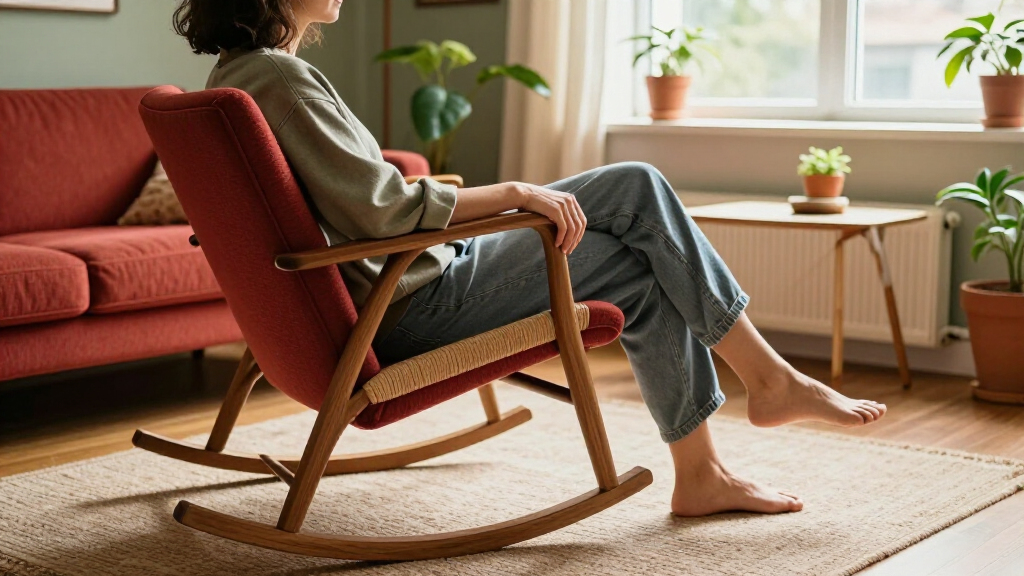
The chair was conceived by Japanese designer Noboru Nakamura and IKEA’s former design director, Lars Engman. Its bentwood cantilever frame flexes slightly when someone sits or moves, giving it a gentle swinging quality associated with rocking chairs. Nakamura said in a 2016 interview that a rocking chair was the original inspiration for the design.
IKEA product developer Luis Gómez Barquín says the chair’s durability as a product comes from its focus on everyday needs rather than short-lived trends. He describes its combination of comfort, functionality and affordability as central to its continued appeal. IKEA reports that it has produced more than 30 million POÄNG chairs and sells an average of 1.5 million per year; those figures are company-provided, and the source does not specify the period used to calculate the annual average.
The design has changed over time without losing its recognizable frame. IKEA says the original POEM became POÄNG in 1991 or 1992. The company later made updates to materials and construction, including a more compact knock-down version in 2010, a scratch-resistant UV surface treatment in 2014, reinforced connection points in 2018 and a redesigned, space-saving rocking chair in 2020.
How the Frame Kept Its Appeal
The anniversary gives readers a concrete example of how a mass-market furniture design can remain in production across changing tastes. POÄNG’s distinctive cantilevered frame has stayed recognizable, while adjustments to materials, packaging and finishes have helped the chair adapt to manufacturing and household needs.
The model also illustrates IKEA’s stated democratic design approach: making a product intended to be comfortable and durable while keeping it affordable. Gómez Barquín says the chair can be dismantled and reassembled, and its appearance refreshed by changing the cushion. Those features may help extend its use, though the supplied source does not provide independent data on product lifespan, repair rates or environmental impact.
For shoppers, the continuing range matters in practical terms. The POÄNG family includes variations such as a rocking chair, a children’s chair and a footstool, as well as different frame and upholstery finishes. Livingetc reports that the standard chair remains available for under £70; prices and options can vary by market and over time.
As an affiliate, we earn on qualifying purchases.
From POEM to POÄNG
The chair first appeared in 1976 under the name POEM. Its motion was part of the concept, rather than a later addition: Nakamura described wanting to make a chair that did more than provide a place to sit, and said swinging in it could help reduce stress and support a sense of wellbeing. That is the designer’s explanation of the intended experience, not evidence of a measured health effect.
In the 1990s, IKEA adjusted the chair and reduced its price by 20%, according to Livingetc. A move from a tubular steel seat frame to a wooden construction helped make it possible to ship the chair flat-packed for home assembly. The company says later technical updates improved construction while retaining the characteristic bentwood outline.
“Its longevity comes from the fact that it was never designed around trends. Instead, it was created to solve everyday needs through comfort, functionality, and affordability.”
— Luis Gómez Barquín, IKEA product developer
What the Sales Figures Show
The production and sales totals in the report are attributed to IKEA, but no independent audit or detailed sales series is provided. The reported 1.5 million chairs per year is an average; its calculation window and how sales have varied over time are not stated. The source also does not break down the more than 30 million produced by country, model or year.
The “anti-stress” description reflects Nakamura’s account of the intended effect of the chair’s movement. The material supplied does not cite clinical research showing that sitting in POÄNG reduces stress or improves wellbeing. Exact current pricing and availability are also market-specific and may change.
The Chair’s Next Iterations
IKEA has not announced a new anniversary model or a further POÄNG redesign in the material provided. Its documented approach has been to retain the recognizable frame while revising materials, finishes and construction, and the current range includes several variations. Whether IKEA plans additional changes after the 2020 rocking-chair update remains unclear.
For now, the anniversary is a milestone for a design still sold by the company. Any future versions, price changes or new production figures would need confirmation from IKEA; the figures and product history cited here come from the company information reported by Livingetc.
Key Questions
When was the IKEA POÄNG chair first introduced?
IKEA introduced it in 1976 as the POEM chair. It was later renamed POÄNG, with the change reported as taking place in 1991 or 1992.
Who designed the POÄNG chair?
The design is credited to Japanese designer Noboru Nakamura and IKEA’s former design director, Lars Engman.
How many POÄNG chairs has IKEA produced?
IKEA says it has produced more than 30 million. The source also reports an average of 1.5 million sold per year, but does not give the period behind that average.
Does the chair have proven stress-reduction benefits?
Nakamura said the chair’s swinging motion was intended to help reduce stress and support wellbeing. The source does not provide clinical evidence confirming a health benefit, so this should be understood as the designer’s stated aim.
What design changes has the chair received?
Reported updates include a compact knock-down version in 2010, a scratch-resistant UV surface treatment in 2014, stronger connection points in 2018 and a redesigned space-saving rocking chair in 2020.
Source: rss
Halloween Picks
halloween
As an affiliate, we earn on qualifying purchases.