

Understanding fee structures is key to managing your interior design project. Flat rates offer a set price, providing predictability and clarity, especially for specific tasks like room redesigns. Hourly fees give you flexibility, ideal for evolving projects or consultations, but require careful budgeting. Knowing which suits your scope and budget helps avoid surprises. Keep exploring to learn how these options can best fit your needs and ensure smooth collaboration.
Key Takeaways
- Flat rates provide predictable total costs, ideal for well-defined projects like single-room renovations.
- Hourly fees offer flexibility for evolving projects with unclear scopes or ongoing consultations.
- Flat fees simplify budgeting and reduce unexpected charges, while hourly rates require careful tracking of hours.
- Choosing between fee structures depends on project scope, budget, and desired level of client-designer involvement.
- Clear communication about scope, costs, and billing procedures is essential regardless of the chosen fee model.

When you’re hiring an interior designer, understanding their fee structures is essential to managing your budget and expectations. One of the first things to consider is how they charge for their services—whether it’s a flat rate or an hourly fee. Each approach influences your project budgeting differently and impacts how you communicate with your designer throughout the process. Flat rates offer predictability, allowing you to know the total cost upfront, which can make planning your finances easier. This fee structure is often used for specific projects with clearly defined scopes, like a single room renovation or a complete redesign. When you opt for a flat fee, your designer typically provides a detailed proposal that outlines what’s included, so you won’t face unexpected charges. This transparency helps foster clear client communication, ensuring you understand exactly what you’re paying for from the start.
On the other hand, hourly fees are more flexible and can be advantageous if your project is less defined or if you anticipate needing ongoing consultation. With hourly billing, you pay for the actual time your designer spends working on your project, which can be more budget-friendly if your needs are limited. However, this approach requires diligent project budgeting to prevent costs from spiraling out of control. Regular updates and open client communication are essential here, as you’ll want to stay informed about how many hours are being billed and what tasks are being completed. Hourly structures can sometimes lead to surprises if the scope of work expands unexpectedly, so establishing a clear understanding of estimated hours and progress checkpoints is crucial.
Ultimately, choosing between flat rate and hourly fees depends on your project’s scope, your budget, and your preferred level of involvement. Flat fees tend to suit projects with well-defined parameters, providing peace of mind and simplifying financial planning. Hourly rates work better when flexibility is key, or when the project might evolve over time, requiring ongoing adjustments. Regardless of the structure, maintaining open communication with your designer is key to staying on budget and ensuring your expectations are aligned. Clarify what’s included, ask about potential additional costs, and check how billing will be managed. When you understand the differences and implications of each fee structure, you’ll be better equipped to make informed decisions that keep your interior design project smooth, transparent, and within your financial plan.

CATIGA 12 Digit Desktop Calculator with Large LCD Display, 4 Funtions Calculator, Round Design Big Button, Solar and Battery Dual Power, Standard Function for Office, Home, School, SD-1292
【LARGE 12-DIGIT DISPLAY】The large LCD screen ensures clear visibility, reducing eye strain and enhancing readability for efficient calculations…
As an affiliate, we earn on qualifying purchases.
As an affiliate, we earn on qualifying purchases.
Frequently Asked Questions
How Do I Compare Fees Between Different Interior Designers?
You compare fees by asking each designer about their design process and how they communicate with clients. Clarify if they charge flat rates or hourly fees, and understand what’s included. Don’t forget to request detailed estimates and ask about potential extra costs. By discussing these points, you’ll see which designer offers the best value and transparency, helping you make an informed decision that aligns with your budget and expectations.
Are There Hidden Costs in Flat Rate or Hourly Fees?
Be aware that flat rate or hourly fees can conceal costly, covert charges. Hidden charges often include additional expenses like extra consultations, urgent requests, or project changes. Always ask your designer about potential extra costs upfront, and read the contract carefully. Clarify what’s included in the fee to prevent surprises, ensuring transparent, trustworthy transactions. Being proactive helps you avoid unexpected expenses and keeps your project progressing smoothly without financial fuss.
Which Fee Structure Is Better for Small Projects?
For small projects, a flat rate often works better because it offers cost transparency and helps you budget effectively. With a flat fee, you know exactly what you’ll pay upfront, avoiding surprises. Hourly fees can add up quickly and make budget planning tricky. Choose a flat rate to keep things simple, stay within your budget, and clearly understand your costs from the start.
Can Fees Be Negotiated After Agreement Signing?
Yes, you can negotiate fees after signing the agreement, but it depends on the contract’s flexibility. Many designers are open to adjusting payment schedules or revisiting terms if you discuss your concerns early. Keep in mind, though, that once you sign, the contract usually establishes the foundation. To avoid surprises, clarify these details beforehand and maintain open communication to ensure both parties stay comfortable with the arrangement.
How Do Fees Impact the Overall Project Timeline?
Your fees directly impact your project timeline by influencing budget management and potential project delays. If you choose a flat rate, you often have a clear timeline, reducing surprises. Hourly fees can lead to unpredictable costs, possibly causing project delays if budgets are exceeded. In both cases, transparent fee discussions help you plan effectively, ensuring your project stays on track and within budget, avoiding unnecessary delays.
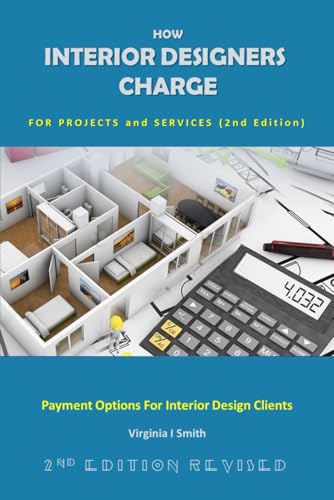
How Interior Designers Charge for Projects and Services (2nd Edition): Payment Options for Interior Design Clients
As an affiliate, we earn on qualifying purchases.
As an affiliate, we earn on qualifying purchases.
Conclusion
Understanding your fee options can help you make informed decisions for your interior design project. Did you know that 60% of designers now offer flat-rate packages, making budgeting easier? Whether you prefer a predictable fee or pay-as-you-go pricing, knowing the difference empowers you to choose what works best for your needs. So, weigh your options carefully—your ideal space is within reach, and the right fee structure can make the process smoother and more transparent.
How Interior Designers Charge for Projects and Services (2nd Edition): Payment Options for Interior Design Clients
As an affiliate, we earn on qualifying purchases.
As an affiliate, we earn on qualifying purchases.

The Interior Design Productivity Toolbox: Checklists and Best Practices to Manage Your Workflow
As an affiliate, we earn on qualifying purchases.
As an affiliate, we earn on qualifying purchases.