
To choose a home style without boxing yourself in, focus on showcasing your personality with flexible, eclectic choices. Mix different styles, colors, and textures to create a space that feels authentic and evolves with you. Prioritize harmony and comfort over strict labels, and select versatile furniture that adapts over time. Remember, your home should reflect your changing tastes. Keep exploring, and you’ll discover how to craft a personalized, stylish space that truly feels like yours.

Get furniture and decor delivered free with Prime
- Fast, free delivery on millions of items
- Prime Video, Amazon Music and more included
- Member-only deals all year
Key Takeaways
- Mix different styles and incorporate eclectic elements for a personalized, authentic look.
- Use a versatile color palette with neutrals and bold accents to adapt over time.
- Start with a base style and gradually add accents, maintaining visual harmony.
- Prioritize comfort and personal preferences to create a space that reflects your personality.
- Keep flexibility in mind by choosing adaptable furniture and evolving decor choices.
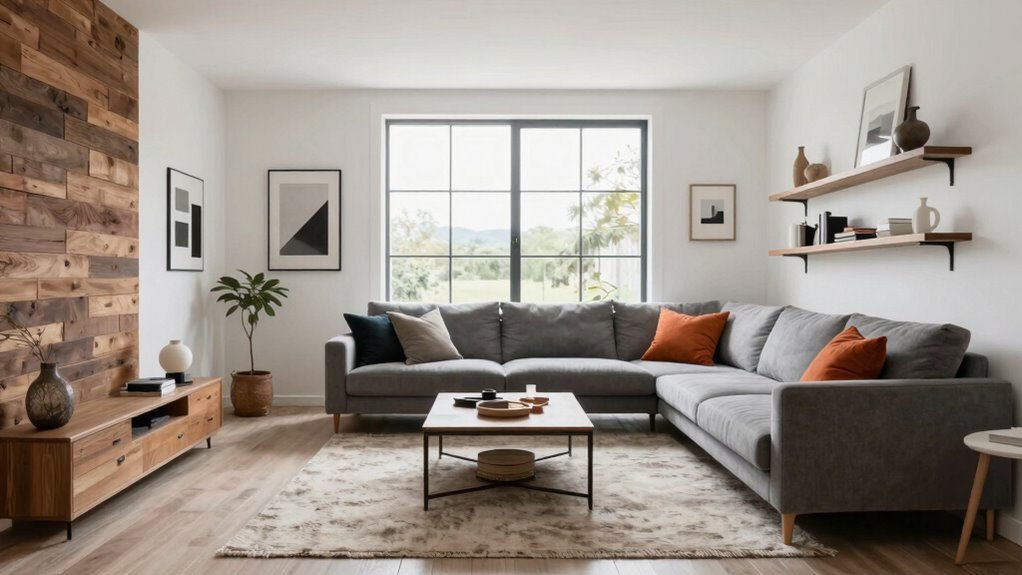
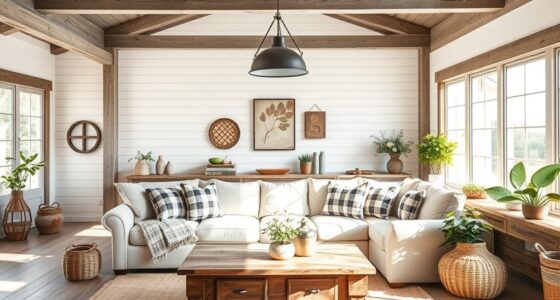
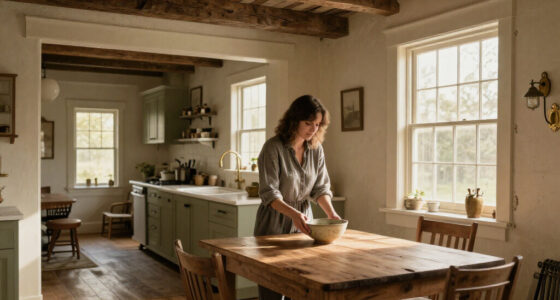
Are you overwhelmed by the countless home styles out there? With so many options—from modern to rustic, bohemian to minimalist—it’s easy to feel paralyzed when trying to pick a look that feels right. The key is to understand that you don’t have to box yourself into one strict style. Instead, focus on creating a space that reflects your personality while remaining flexible enough to evolve over time. Start by considering your furniture choices. Think about pieces that you love and that serve your needs. If you’re drawn to clean lines and sleek surfaces, a contemporary style might appeal to you. If you prefer warm, textured materials, maybe a farmhouse or vintage look fits better. Don’t feel pressured to stick with a single aesthetic—mixing different furniture styles can create a curated, eclectic vibe that feels authentic rather than contrived.
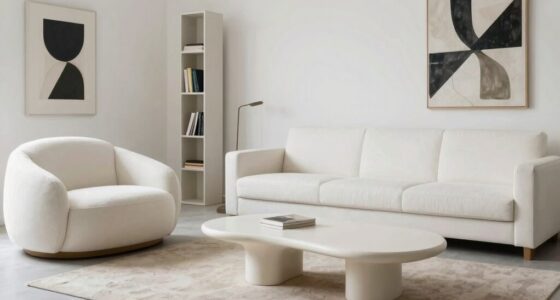
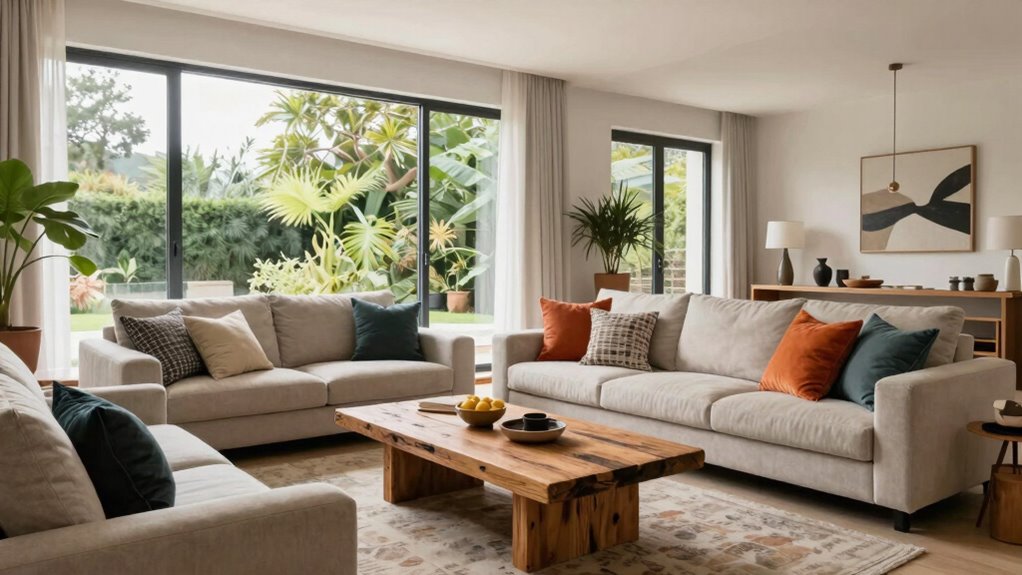
Next, pay attention to your color palettes. They’re the foundation that ties everything together, so choose colors that resonate with your mood and lifestyle. Soft neutrals like beige, gray, or taupe provide a versatile backdrop that can adapt to various decorating styles. If you crave vibrancy, incorporate bold accent colors through accessories, artwork, or textiles. Keep in mind that you don’t have to commit to a monochrome scheme; layering different hues and textures adds depth and interest, making your home feel lively but balanced. When selecting colors, think about how they’ll work with your furniture choices and overall vibe. For example, warm tones complement rustic furniture, while cooler shades pair well with modern or minimalist designs. Exploring different interior design principles can help you develop a cohesive and personalized space. Incorporating a sense of visual harmony ensures that your diverse choices come together seamlessly.
Additionally, understanding the variety of design styles available allows you to create a personalized space that can blend elements from different aesthetics seamlessly. The beauty of designing your home without boxing yourself in is that it allows for flexibility. As your tastes evolve, so can your space. You might start with a Scandinavian-inspired look but later add boho accents or vintage pieces to make it uniquely yours. Recognizing the core principles of interior design can help you develop a cohesive and balanced space that reflects your personality. The trick is to focus on cohesion rather than strict adherence to one style. Keep a palette of favorite colors, select furniture that’s comfortable and versatile, and don’t be afraid to experiment. Remember, your home should be a reflection of you—an evolving sanctuary that adapts to your changing needs and tastes. By paying attention to your furniture choices and color palettes, you build a foundation that’s both stylish and adaptable, giving you the freedom to express yourself without feeling trapped by design labels.
Products Worth Considering

Levoit Air Purifier for Home, Pets, Bedroom – Smart Wi‑Fi for Large Rooms

Philips Hue Bridge Pro Starter Kit with 4 A19 E26 Color Smart Bulbs

Sonos One (Gen 2) Two-Room Set Voice-Controlled Smart Speaker with Alexa (2-Pack, Black)
As an affiliate, we earn on qualifying purchases.
Frequently Asked Questions
How Can I Mix Different Home Styles Effectively?
You can mix different home styles effectively by focusing on furniture pairing and color coordination. Start by selecting key pieces that complement each style, blending textures and shapes seamlessly. Use a consistent color palette to unify diverse elements, making the space feel cohesive. Mix vintage with modern accents or rustic with sleek finishes, ensuring each piece works together harmoniously. This approach creates a personalized, stylish home without feeling disjointed or overly themed.
What Are Common Mistakes to Avoid When Choosing a Style?
Did you know 60% of homeowners regret their style choices? To avoid mistakes, focus on architectural harmony and color coordination. Don’t pick styles that clash or feel out of place; instead, blend elements thoughtfully. Avoid overmatching or sticking rigidly to one era, which can create a disjointed look. Keep your style cohesive and balanced, ensuring your home feels intentional and inviting rather than chaotic or mismatched.
How Does My Lifestyle Influence the Style I Should Pick?
Your lifestyle directly influences your home style by shaping what feels functional and comfortable. If you entertain often, prioritize open spaces for socializing, fostering interior harmony. If you value personal expression, choose styles that reflect your personality, like eclectic or bohemian. Consider your daily routines and hobbies to select a style that enhances your life. Balancing practicality with personal taste guarantees your home is both harmonious and a true expression of you.
Should I Prioritize Resale Value When Selecting a Style?
You should consider resale value when selecting a style, as historical trends and market preferences influence what buyers want. Opting for timeless, popular designs can boost your home’s appeal and make it easier to sell later. While personal taste matters, prioritizing styles with broad appeal guarantees your investment stays valuable. Balance your preferences with market insights to choose a style that reflects your personality and attracts future buyers.
How Do I Update My Home Style Over Time?
You can update your home style over time by experimenting with furniture placement and color coordination. Start by rearranging furniture to create fresh layouts, making the space feel new without major renovations. Incorporate new accessories or paint in different colors to refresh the look. Trust that small, thoughtful updates can gradually evolve your style, keeping your home feeling current and personalized without overwhelming your existing design.
Conclusion
Choosing a home style is like picking a favorite song—you want one that resonates with your personality but also leaves room for growth. Imagine yourself in a space that feels just right, like slipping into your favorite pair of shoes that fit perfectly today but still have room to stretch tomorrow. Trust your instincts, explore different styles, and remember, your home should be a reflection of you—flexible, comfortable, and uniquely yours.