
TL;DR

Get furniture and decor delivered free with Prime
- Fast, free delivery on millions of items
- Prime Video, Amazon Music and more included
- Member-only deals all year
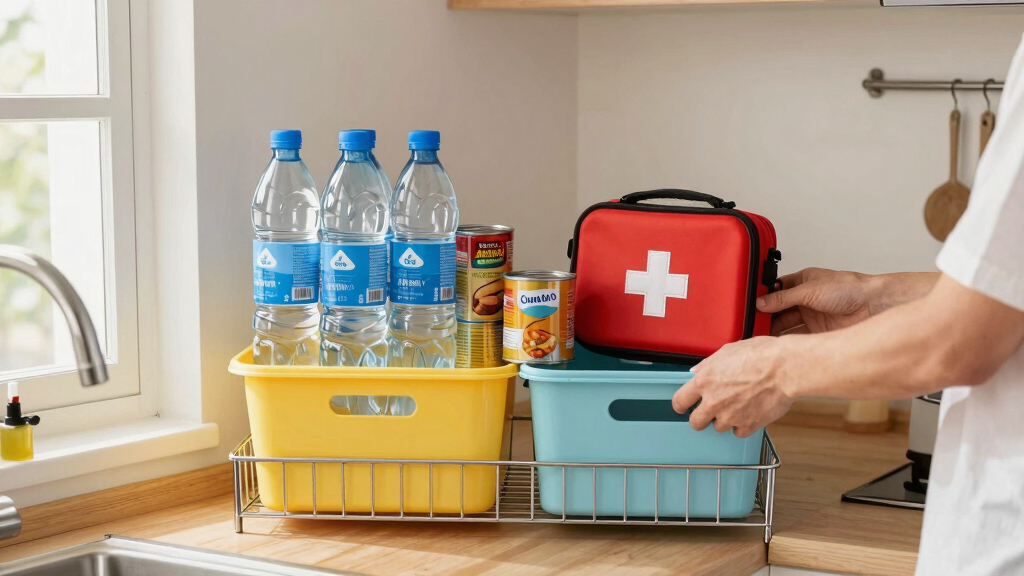
Living in a small apartment requires creative planning for disaster preparedness. Experts recommend focusing on space-efficient supplies, practicing evacuation plans, and maintaining essential resources.
Experts recommend that residents of small apartments implement targeted disaster preparedness measures, including compact storage solutions, emergency plans, and essential supplies, to better withstand emergencies in urban settings.
Disaster resilience expert Chris Ellis emphasizes the importance of having a ‘bug-out bag’ with three days of water, food, cash, and medical supplies, even for those in limited spaces. Anna Maria Bounds, a sociology professor, highlights creative storage solutions like under-bed containers and multi-purpose items to maximize limited space and ensure readiness.
Prepping in small apartments involves practical steps such as storing water in hidden or discreet locations, organizing non-perishable foods efficiently, and practicing evacuation routines to build confidence and readiness. Experts advise that prepping does not require large dedicated spaces but rather thoughtful management of available resources.
Why It Matters
This matters because urban residents often face unique challenges in disaster scenarios, including limited storage space and infrastructure vulnerabilities. Proper planning can significantly improve safety and resilience, reducing reliance on external aid during emergencies.
compact bug-out bag for urban emergencies
As an affiliate, we earn on qualifying purchases.
As an affiliate, we earn on qualifying purchases.
Background
Recent events like extreme weather and technological failures highlight the need for urban preparedness. The COVID-19 pandemic also increased awareness of self-sufficiency, prompting many city dwellers to adopt prepping habits. Experts note that city residents are developing ‘survival smarts’ tailored to their environments, emphasizing practical and space-efficient strategies.
“You should keep a bug-out bag with three days of water, food, cash, and medical supplies, ready to grab in an emergency.”
— Chris Ellis, disaster resilience expert
“Prepping in a small apartment is about creative storage and managing your space efficiently, not about having a room full of supplies.”
— Anna Maria Bounds, sociology professor
What Remains Unclear
It is still unclear how many urban residents are actively implementing these strategies or how effective they are in actual disaster scenarios. Specific best practices for different types of emergencies in small apartments are still being developed.
What’s Next
Experts plan to develop more detailed guidelines tailored to various urban environments and disaster types. Further research and community workshops may help residents implement these strategies effectively.
Key Questions
What are the most essential items to store in a small apartment for emergencies?
Water, non-perishable food, medical supplies, cash, and basic tools are essential. Storage solutions should be space-efficient, such as under-bed containers or hidden compartments.
How can I practice my emergency plan in a small apartment?
Regularly review and rehearse evacuation routes, check supplies’ expiration dates, and simulate scenarios like power outages or water loss to build confidence and preparedness.
Is it necessary to have a large stockpile of supplies?
No, the focus should be on having enough for at least three days, with an emphasis on space-efficient storage and regular replenishment.
Coordinate with neighbors and building management to ensure collective preparedness and share resources or information about emergency procedures.
Halloween Picks
halloween
As an affiliate, we earn on qualifying purchases.